The Joyful Journey of Making Recipe: A Step-by-Step Guide for Home Chefs
Welcome, future culinary genius! If you've ever dreamt of creating a dish that is uniquely yours, you are in the right place. The process of Making Recipe from scratch might sound daunting, but it's actually one of the most rewarding adventures a home cook can undertake. It's about more than just combining ingredients; it's about expressing your creativity, understanding flavor profiles, and leaving a personalized mark on the culinary world.
We're going to walk through the entire process together, breaking down the seemingly complex steps into easy, manageable tasks. Don't worry about perfection right away. Instead, focus on experimentation and detailed record-keeping. Get ready to turn that vague kitchen idea into a documented, repeatable masterpiece.
Setting the Stage: The Essential Foundations Before Making Recipe
Before you even think about combining ingredients, you need a solid foundation. This involves preparation, inspiration, and understanding the core mechanics of cooking. Don't rush this phase; proper preparation saves immense frustration and wasted ingredients later on.
A successful recipe begins long before the heat is turned up. It starts with planning and careful thought regarding flavor interactions and timing.
Finding Your Culinary Inspiration
Inspiration can strike anywhere! Maybe it's a specific seasonal ingredient you love, or perhaps it's a nostalgic dish from your childhood that you want to put a modern twist on. Start by defining the goal and context of your dish. Are you developing a quick weeknight meal or an elaborate holiday dessert?
Ask yourself these guiding questions to solidify your concept:
- What is the main ingredient I want to showcase, and how does it react to heat?
- What cuisine or flavor profile am I aiming for (spicy, savory, sweet, acidic)?
- Who am I cooking for, and what are their dietary needs or preferences?
Once you have a clear idea, you can start gathering the necessary ingredients and tools required for the first test run.
The Importance of Mise en Place (Everything in Its Place)
Any seasoned chef will tell you that the secret to stress-free cooking is rigorous preparation. Mise en place involves measuring, chopping, peeling, and preparing all your ingredients before the cooking process begins. This allows you to focus purely on execution when the heat is on, rather than frantically searching for your salt.
Crucially, when you are committed to Making Recipe documentation accurate, performing mise en place ensures that you record exact weights and quantities. You can't write down "a pinch of flour" if you don't measure the pinch first!
The Art of Formulation: Crafting the Recipe Blueprint
This is where the magic happens—turning raw ideas into a structured set of instructions. A good recipe is a clear map, ensuring consistent results every time it's followed. Focus heavily on clarity, detail, and ensuring the steps flow logically.
Think about the intended audience. Are you writing this for an absolute beginner, or for someone with basic cooking knowledge? Your language and level of detail should reflect this audience.
Balancing Flavors and Textures
Flavor balance is crucial for a successful dish. You generally want a mix of the five main tastes: sweet, sour (acidity), salty, bitter, and umami. If a dish tastes flat, it usually needs salt or acid. If it's too intense, it might need sweetness or richness (fat) to mellow it out.
Texture also plays a massive role in enjoyment. Consider pairing opposing textures, like a smooth soup with crunchy croutons, or tender meat with crispy skin. When planning your recipe structure, consider the order of operations carefully, as introducing certain ingredients too early or too late can completely alter the final taste and mouthfeel.
Using Acids to Brighten Your Dish
Acidity, often provided by lemon juice, vinegar, or citrus zest, is the secret weapon of many great chefs. Acidity cuts through richness and helps other flavors truly pop, preventing a dish from feeling heavy. It is especially vital in sauces and salad dressings.
A dash of acid at the end of cooking is a common technique known as "finishing." Don't underestimate this small but mighty step when Making Recipe improvements.
Mastering Measurement Techniques
Accuracy is paramount, especially in baking or when dealing with potent spices and flavorings. If you want your creation to be repeatable, you must use precise measurements. Generally, weighing ingredients (especially flour, sugar, and fat) provides the most consistent results compared to volume measurements like cups.
Here are crucial measurement tips for reliable results:
- Use standard metric measurements (grams/milliliters) where possible, as they are globally recognized for precision.
- Measure dry ingredients using a kitchen scale for best accuracy.
- For measuring spices and small amounts of liquids, use standardized measuring spoons, leveling off powders accurately.
- Be specific about ingredient state (e.g., "finely diced," "packed brown sugar," "softened butter," "room temperature eggs").
Remember, the goal of Making Recipe instructions is to eliminate ambiguity for the user. Be as detailed as possible in your ingredient list.
The Critical Steps of Testing and Documentation
The first time you try your recipe idea, treat it as a draft. Very few recipes are perfect on the initial run—that's normal! Documentation during this phase is essential for tracking what worked and what needs adjustment. Don't trust your memory; write everything down as it happens.
This phase often requires patience, but it is necessary to produce a high-quality, reliable end product.
The Critical Role of Recipe Testing
Testing helps you verify cooking times, oven temperatures, and the overall yield of the dish. Most importantly, it gives you a chance to check and adjust the final flavor profile. Did it need more salt? Was the cooking method efficient? Take notes constantly, marking changes in ingredient amounts or procedural steps.
It's often beneficial to test the recipe again a week later without referring to your original cooking notes. This ensures the instructions are clear enough for you to follow based purely on your written documentation. If you can, have a neutral friend test it too—their fresh perspective is invaluable for spotting overlooked steps or confusing terminology.
Standardizing Your Documentation Format
A well-documented recipe should include specific, organized sections, making it easy for anyone to read and replicate. Clarity here defines the success of your creation outside of your own kitchen.
- Title and Description: Should be engaging, clear, and informative about the dish.
- Yield and Prep/Cook Time: Necessary details for meal planning.
- Ingredients List: Listed precisely, in the order they are used, with measurements.
- Instructions: Short, action-oriented steps written clearly with specific equipment notes.
- Serving Suggestions/Notes: Tips for success, storage, or potential variations.
When you focus on structured documentation, you move beyond just cooking a dish; you are truly focused on Making Recipe instructions that are robust and reliable for a wider audience.
Conclusion: Embrace the Chef Within
The process of Making Recipe development a part of your cooking routine opens up endless possibilities in the kitchen. It requires patience, meticulous documentation, and a willingness to embrace minor failures as critical learning tools. By focusing on preparation, achieving flavor balance, and rigorous testing, you can confidently transform your unique culinary vision into a timeless, reproducible recipe.
Remember that every professional chef started somewhere. Your unique perspective is what makes your recipe special. So, grab your notebook, sharpen your knives, and start experimenting today. The next great dish might just come from your kitchen!
Frequently Asked Questions About Making Recipes
- How many times should I test a recipe before publishing it?
- Ideally, a recipe should be tested at least three times. The first two tests focus on perfecting the process and flavor, and the third test confirms consistency, perhaps using slightly different equipment or ingredients to ensure broad reliability for the end user.
- What if my recipe tastes good but the texture is wrong?
- Texture issues usually relate to temperature, cooking time, or the ratio of liquid to starch/fat. For texture, focus your adjustments on methods (e.g., stirring technique, oven temperature settings, resting time) rather than just flavor additions. Adding fat or emulsifiers can also adjust mouthfeel.
- Is it better to measure ingredients by weight or volume when Making Recipe?
- Weight (using grams or ounces) is always preferred, especially for dry ingredients like flour and sugar, and fats like butter. Volume measurements (cups) can vary wildly depending on how tightly packed the ingredient is, compromising the repeatability of your recipe.
- Should I include substitutes in my original recipe?
- It is usually best to perfect the core recipe first, using your intended ingredients. Once finalized, you can add a separate "Notes" section detailing tested and successful substitutions (e.g., gluten-free flour blend, dairy alternatives). Untested substitutes should be explicitly labeled as suggestions rather than verified components.
Making Recipe
Making Recipe Wallpapers
Collection of making recipe wallpapers for your desktop and mobile devices.

Stunning Making Recipe Landscape Art
Find inspiration with this unique making recipe illustration, crafted to provide a fresh look for your background.

Detailed Making Recipe Capture for Your Screen
Experience the crisp clarity of this stunning making recipe image, available in high resolution for all your screens.

Spectacular Making Recipe Photo Digital Art
This gorgeous making recipe photo offers a breathtaking view, making it a perfect choice for your next wallpaper.
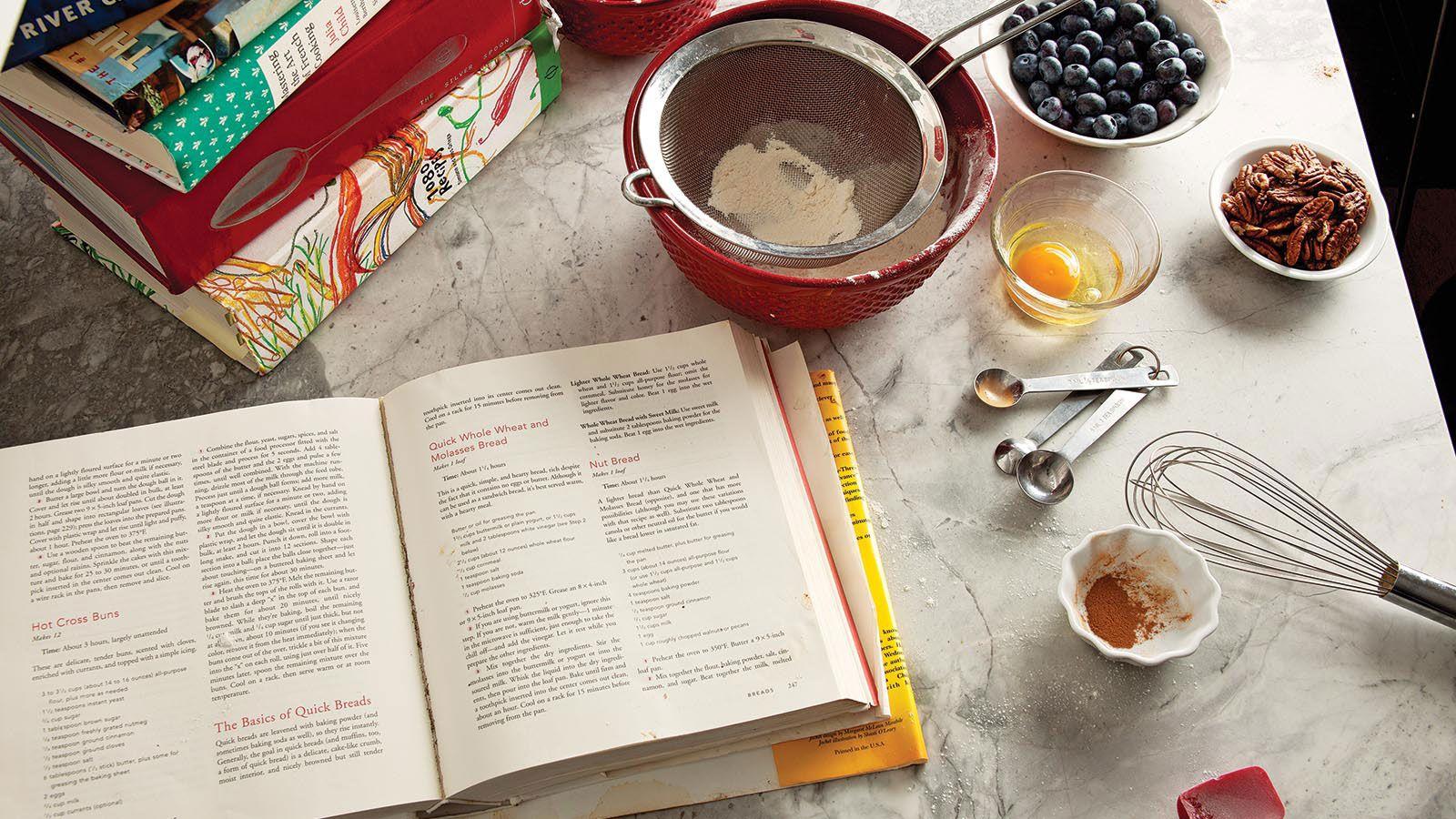
Dynamic Making Recipe Image for Desktop
A captivating making recipe scene that brings tranquility and beauty to any device.

Lush Making Recipe View Collection
Immerse yourself in the stunning details of this beautiful making recipe wallpaper, designed for a captivating visual experience.
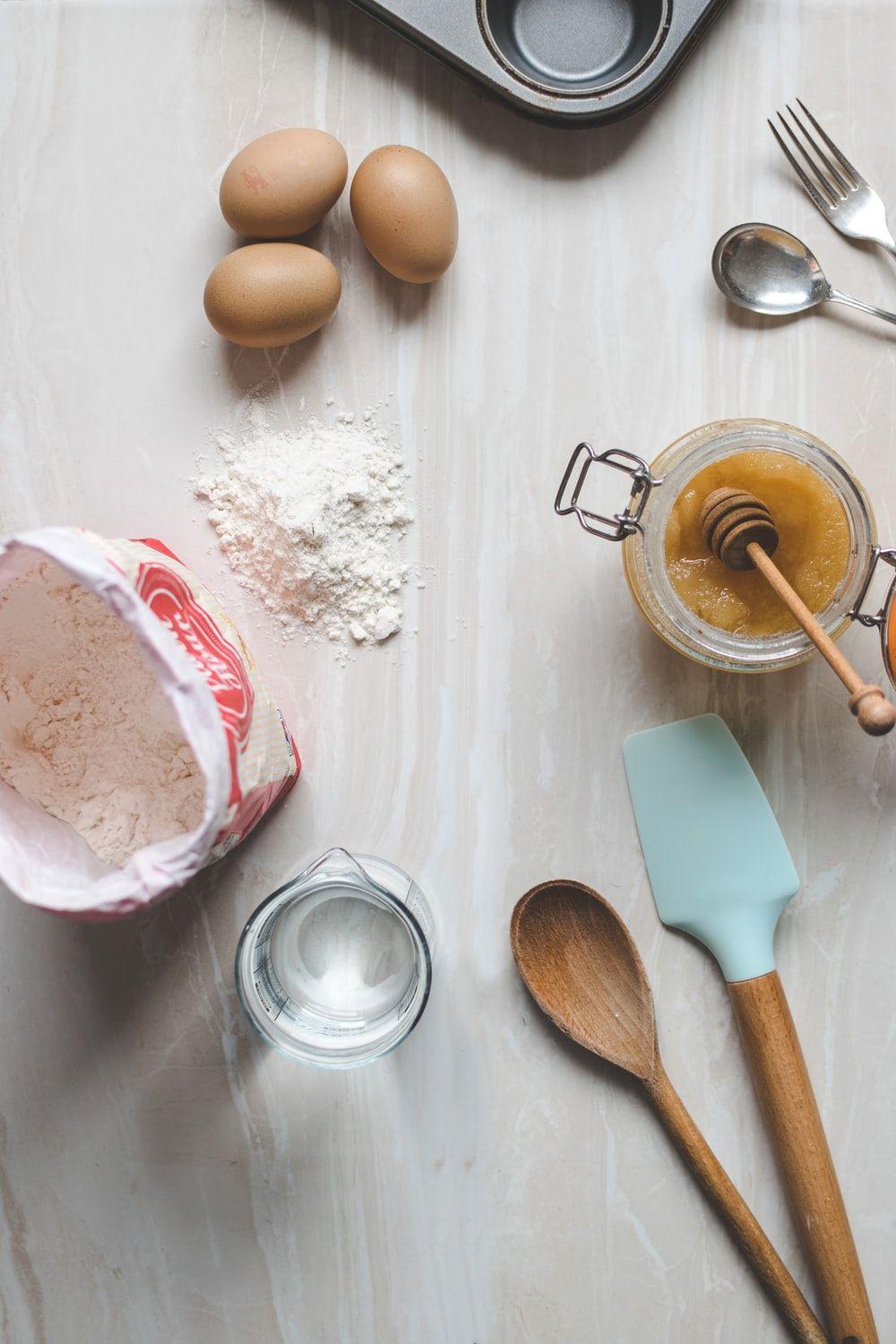
Lush Making Recipe Picture Art
Immerse yourself in the stunning details of this beautiful making recipe wallpaper, designed for a captivating visual experience.
Mesmerizing Making Recipe Moment for Your Screen
Transform your screen with this vivid making recipe artwork, a true masterpiece of digital design.
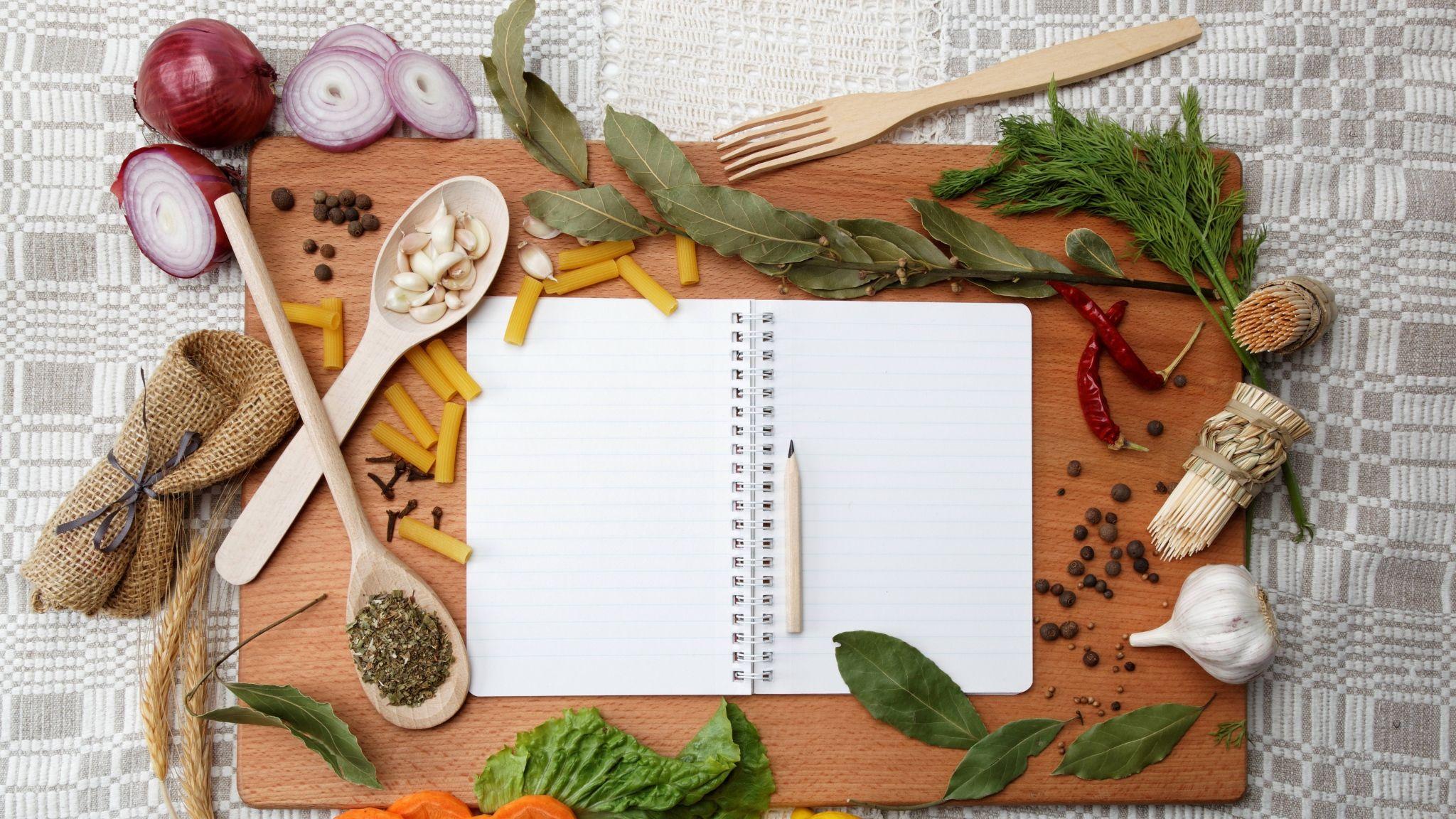
High-Quality Making Recipe Scene Illustration
Transform your screen with this vivid making recipe artwork, a true masterpiece of digital design.

Vibrant Making Recipe Landscape Photography
Explore this high-quality making recipe image, perfect for enhancing your desktop or mobile wallpaper.

Exquisite Making Recipe Picture for Mobile
Find inspiration with this unique making recipe illustration, crafted to provide a fresh look for your background.
Vibrant Making Recipe Wallpaper Concept
Explore this high-quality making recipe image, perfect for enhancing your desktop or mobile wallpaper.
Gorgeous Making Recipe Design Digital Art
A captivating making recipe scene that brings tranquility and beauty to any device.
Serene Making Recipe Capture Illustration
Discover an amazing making recipe background image, ideal for personalizing your devices with vibrant colors and intricate designs.
Beautiful Making Recipe Landscape for Desktop
Transform your screen with this vivid making recipe artwork, a true masterpiece of digital design.
Exquisite Making Recipe Moment Concept
A captivating making recipe scene that brings tranquility and beauty to any device.

Stunning Making Recipe Scene Photography
Find inspiration with this unique making recipe illustration, crafted to provide a fresh look for your background.

Spectacular Making Recipe Capture Illustration
A captivating making recipe scene that brings tranquility and beauty to any device.
Lush Making Recipe Image in 4K
A captivating making recipe scene that brings tranquility and beauty to any device.
Breathtaking Making Recipe Background for Mobile
Explore this high-quality making recipe image, perfect for enhancing your desktop or mobile wallpaper.

Amazing Making Recipe View Art
Transform your screen with this vivid making recipe artwork, a true masterpiece of digital design.
Download these making recipe wallpapers for free and use them on your desktop or mobile devices.